

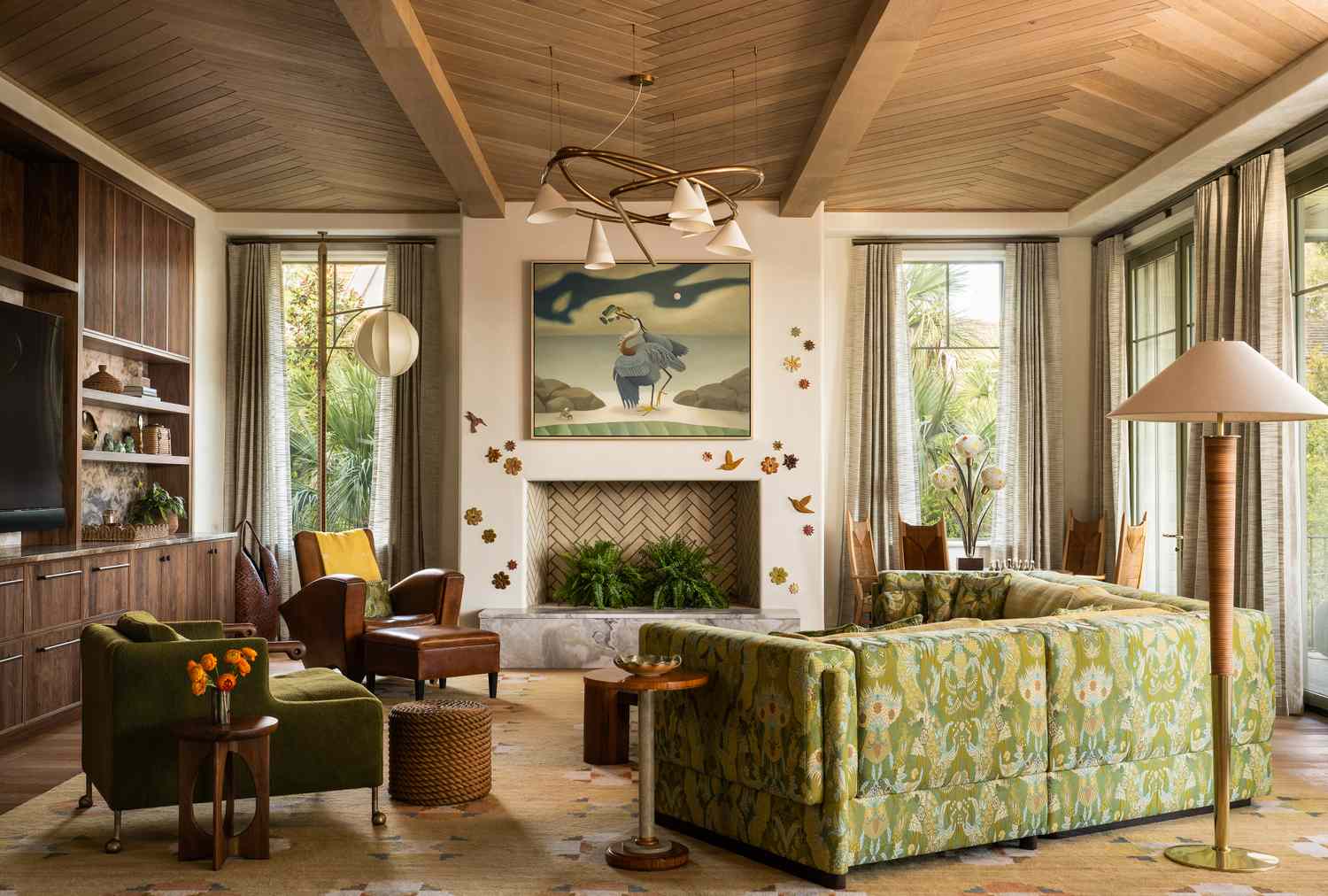
Vintage Decor in a Modern Home: How to Make It Work
Vintage decor in a modern home is one of the most reliable ways to create a space that feels genuinely personal rather than assembled from a catalog. The mix of old and new creates visual tension that keeps a room interesting — the kind of interest that can't be purchased in a single shopping trip.
The challenge is that vintage and modern can clash badly if the combination isn't handled thoughtfully. This guide covers the principles that make the mix work: what to look for, how to source well, and how to integrate found pieces so they feel like they were always meant to be there.
Why the Vintage and Modern Mix Works
Contemporary furniture design optimizes for consistency and production efficiency. Vintage pieces were made under different constraints — by craftspeople working with different tools, different materials, and different standards for what 'finished' means.
That difference is visible. It's in the patina on a brass handle, the slight irregularity of a hand-thrown ceramic, the grain pattern on a solid-wood tabletop that no two pieces share. These qualities of age and handwork are what modern production cannot replicate — and they're precisely what makes a room feel lived-in and layered rather than brand-new and flat.
The modern elements provide the counterpoint: clean lines, functional design, and the visual quiet that lets vintage pieces speak. The combination is greater than either aesthetic alone.
What to Look for When Sourcing Vintage Decor
Sourcing well is a skill that develops over time, but a few principles accelerate the process:
• Buy for quality of material, not condition of surface. Surface condition — scratches, patina, minor damage — can almost always be addressed. Poor-quality materials cannot. Solid wood, genuine brass, hand-blown glass, and real ceramic are worth finding in imperfect condition. MDF and zamak metal are not.
• Look past styling. Estate sale and vintage market items are often staged or displayed in ways that don't flatter them. Learn to evaluate pieces on their own merits — form, material, construction — rather than in context.
• Know your size constraints before you go. The most common vintage buying mistake is falling in love with a piece that doesn't fit. Carry a tape measure and know the critical dimensions for any space you're shopping for.
• Prioritize things that can't be replicated. Age genuinely improves some materials — solid brass develops patina, leather softens, solid wood acquires character. These are worth paying for. Items that just look old without the underlying quality are not.
The Best Sources for Vintage Decor
|
Source |
Best For |
Trade-off |
Strategy |
|
Estate sales |
Furniture, art, ceramics, silver |
Time-consuming; early arrival essential |
Show up at opening; best pieces go fast |
|
Antique markets |
Curated mix, wide variety |
Prices higher than estate sales |
Build relationships with dealers you trust |
|
Online vintage platforms |
Specific searches, rare finds |
Can't assess condition in person |
Ask for detailed photos; check seller ratings |
|
Thrift and charity shops |
Ceramics, textiles, small objects |
Highly inconsistent; requires patience |
Visit regularly; inventory turns over weekly |
|
Auctions |
Statement furniture, art, silver |
Competitive bidding; buyer's premium |
Set a max bid in advance and hold it |
How to Integrate Vintage Pieces Without Clashing
The most common failure mode when mixing vintage and modern is treating vintage pieces as novelties rather than design elements. A single vintage ceramic on an otherwise bare shelf reads as an afterthought. The same ceramic placed in conversation with other objects, in a room where it shares material language with other elements, reads as intentional.
Principles that make the integration work:
• Connect through material. A vintage brass lamp works in a modern room if the room already has brass in it — as hardware, as accent, as another object. The connection doesn't need to be obvious; it needs to exist.
• Match the scale. A large vintage piece in a room full of small contemporary objects will always feel like it landed from somewhere else. Scale the vintage piece to its context, not just to its own proportions.
• Use neutral modern pieces as the backdrop. Clean-lined, neutral contemporary furniture creates the visual quiet that allows vintage pieces to be seen. The more visually complex the modern elements, the harder it is to integrate vintage ones.
• Allow patina to be the point. Don't try to make vintage pieces look new. The age — the patina, the wear, the slight irregularity — is precisely what they contribute. Restoring away those qualities defeats the purpose.
|
The One-Third Rule for Vintage Mixing A reliable starting framework: in any given room, vintage or antique pieces should make up roughly one-third of the decorative objects and accent furniture. Modern anchors (sofa, primary lighting, rug) provide the neutral backdrop. Vintage pieces provide the character. This ratio produces rooms that feel personal and collected without feeling like a museum or a thrift store. |
Vintage Decor That Works in Any Style of Home
Some vintage categories integrate almost universally — they work in modern, transitional, and traditional rooms with equal ease:
• Ceramics and pottery: hand-thrown vessels, vintage bowls, and ceramic objects add texture and organic form to any surface.
• Brass and metalwork: vintage brass candlesticks, trays, and hardware have warm tones that complement both warm and cool palettes.
• Textiles: vintage kilim rugs, Turkish towels, woven baskets, and embroidered linens layer texture in ways contemporary equivalents rarely match.
• Glass: vintage glassware, apothecary bottles, and hand-blown vessels catch and scatter light in ways molded glass doesn't.
• Books and paper: vintage art books, old maps, and found prints add visual depth and personal character to any shelf or surface.
At S.W. Home, the home decor collection includes pieces selected for exactly this quality — objects with the kind of character and material honesty that complement vintage finds rather than competing with them.
|
Find Pieces Worth Mixing S.W. Home carries home decor with the quality and character that works alongside vintage pieces — natural materials, honest construction, and lasting aesthetic appeal. |
