

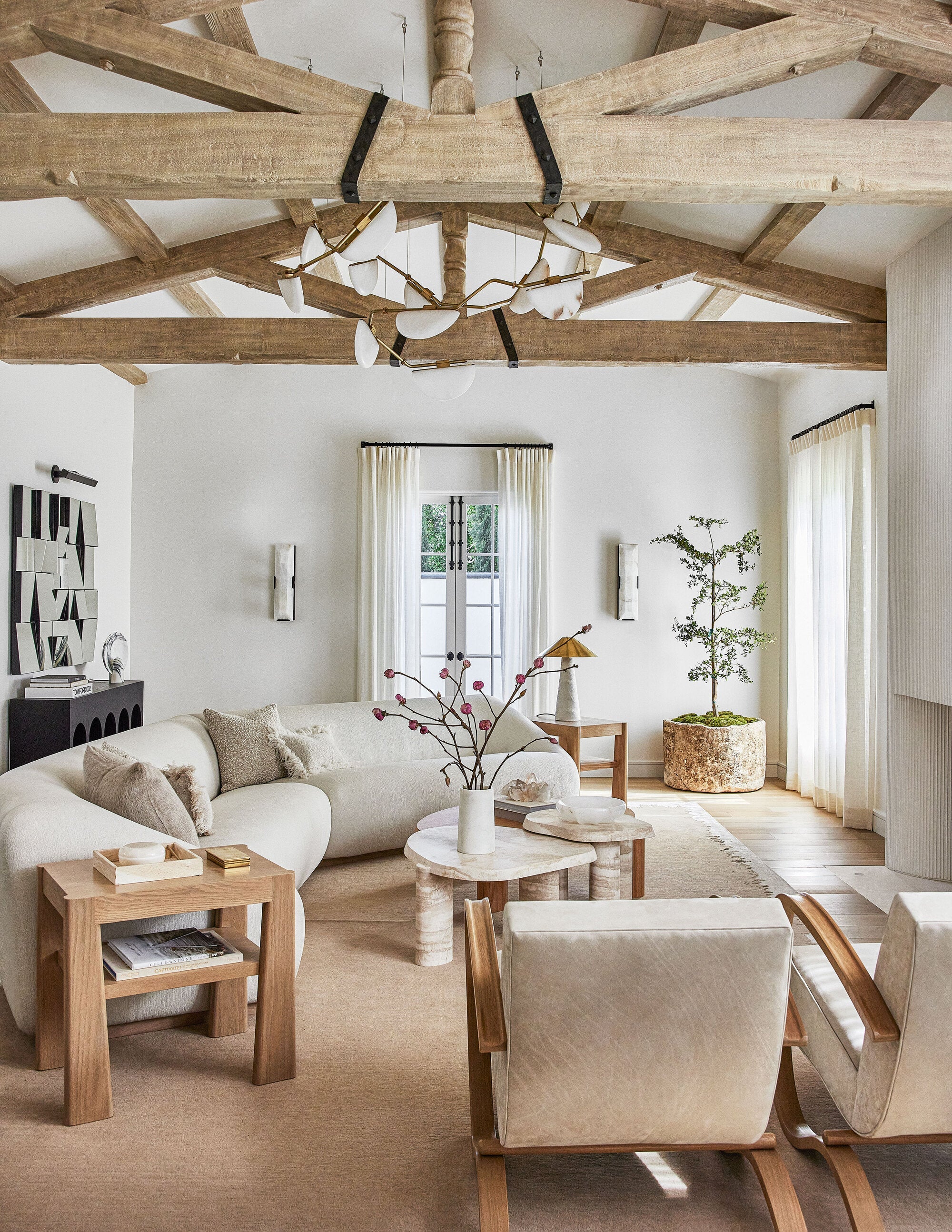
Transitional Furniture Explained: How to Keep It Timeless
Introduction
If you’ve ever been drawn to interiors that feel warm but not rustic, clean but not cold, modern but not trendy — you’ve likely experienced the magic of transitional design. This style blends classic and contemporary elements to create interiors that feel both fresh and enduring.
At Wildwood Home Co., transitional style comes naturally. With calm neutral palettes, natural textures, and subtly sculptural silhouettes, our pieces are designed to move gracefully between trends and seasons.
Here’s your guide to understanding transitional furniture — and how to style it in a way that stays timeless.
What Is Transitional Furniture?
Transitional furniture is the meeting point between traditional elegance and modern simplicity. It pulls the best from both worlds:
-
From traditional: warmth, craftsmanship, soft edges
-
From modern: clean lines, neutral palettes, minimal embellishment
The result? Furniture that feels refined yet approachable — pieces you’ll love for years without feeling dated or overly trendy.
Key Traits of Transitional Furniture
-
Neutral, calming color palettes
-
Simple, graceful silhouettes
-
Natural textures (wood, linen, stone, woven materials)
-
Understated details rather than ornate decoration
-
Balance between soft curves and strong lines
It’s design that evolves with you — flexible, adaptable, and always inviting.
Why Transitional Design Stays Timeless
Timeless interiors avoid extremes. Transitional style does this exceptionally well because it sits in the middle of design, not at the edges.
1. Neutral Isn’t Boring — It’s Functional
Transitional homes rely on warm whites, taupes, stone colors, charcoal, and natural wood. These shades age gracefully and respond to changing trends without losing relevance.
2. Simple Lines + Soft Edges = Long-Term Appeal
Straight-lined sofas feel modern, while rounded pedestal tables add approachability. This blend prevents the home from feeling stuck in one design era.
3. High-Quality Materials Anchor the Look
Travertine, oak, ceramics, brass, linen, rattan — these materials are inherently timeless. Their beauty doesn’t fade with trend cycles.
4. Versatility Across Rooms & Seasons
Transitional furniture works in urban apartments, modern farmhouses, coastal homes, and everything in between.
Timeless design isn’t about playing it safe — it’s about choosing pieces with longevity and character.

How to Choose Transitional Furniture for Your Home
1. Start with Your Core Pieces
Anchor your room with transitional staples:
-
A rectilinear or gently curved sofa
-
A wooden or stone coffee table
-
A neutral-toned sideboard or dining table
-
Upholstered chairs or linen slipcovers
These foundational pieces create the canvas for your room.
2. Layer Warm, Natural Materials
Transitional style thrives on tactile depth:
-
Stone trays
-
Linen runners
-
Woven baskets
-
Ceramic vases
-
Brass accents
This material mix keeps neutral spaces visually rich without relying on bright colors.
3. Mix Curves and Lines
A transitional room feels balanced:
-
Pair a curved vase with a rectangular console
-
Add a round ottoman next to a linear, tailored sofa
-
Choose a pedestal table if your chairs are strong-lined
This interplay brings movement and harmony.
4. Keep Prints and Patterns Subtle
Rather than bold geometrics or busy florals, choose:
-
Pinstripes
-
Tone-on-tone textures
-
Soft plaids
-
Organic weaves
Patterns should enhance, not overwhelm.
5. Add a Few Sculptural Moments
Transitional doesn’t mean plain — it means intentional.
A standout stone bowl, scalloped cutting board, or textured lamp base adds sophistication without clutter.
Transitional Furniture Styling by Room
Living Room
Choose a neutral sofa with clean lines, then layer a stone coffee table, a woven basket, and a ceramic vase with soft greenery. Add a linen throw for relaxed elegance.
Dining Room
Pair a wooden dining table with upholstered chairs and a stone or brass centerpiece. Keep décor minimal but textural.
Bedroom
Opt for an upholstered or wood-framed bed, linen bedding, and a simple bench at the foot. Add stone or ceramic lamps for grounding tone.
Entryway
A streamlined console, a woven basket, and a small travertine tray create a classic transitional vignette that’s both functional and beautiful.
FAQs About Transitional Furniture
Q: Is transitional the same as modern farmhouse?
No — transitional can include modern farmhouse elements, but it’s broader and more versatile. It leans less rustic and more refined.
Q: Can transitional design include color?
Absolutely. Soft greens, warm clay, muted blues, and earthy neutrals work beautifully within the palette.
Q: Does transitional work with existing traditional or modern pieces?
Yes — that’s the beauty of it. Transitional seamlessly blends with multiple styles.
Q: How do I keep transitional spaces from feeling bland?
Texture, shape contrast, and quality materials bring depth and character without overwhelming the eye.
Conclusion
Transitional furniture is the definition of timeless design — grounded in natural materials, shaped by quiet sophistication, and free from fleeting trends. It’s a style built to evolve with your home and your life.
With Wildwood Home Co.’s curated selection of stone, wood, linen, and sculptural accessories, creating a transitional home becomes effortless. Each piece is chosen for longevity, versatility, and simple beauty — the very essence of timeless style.
