

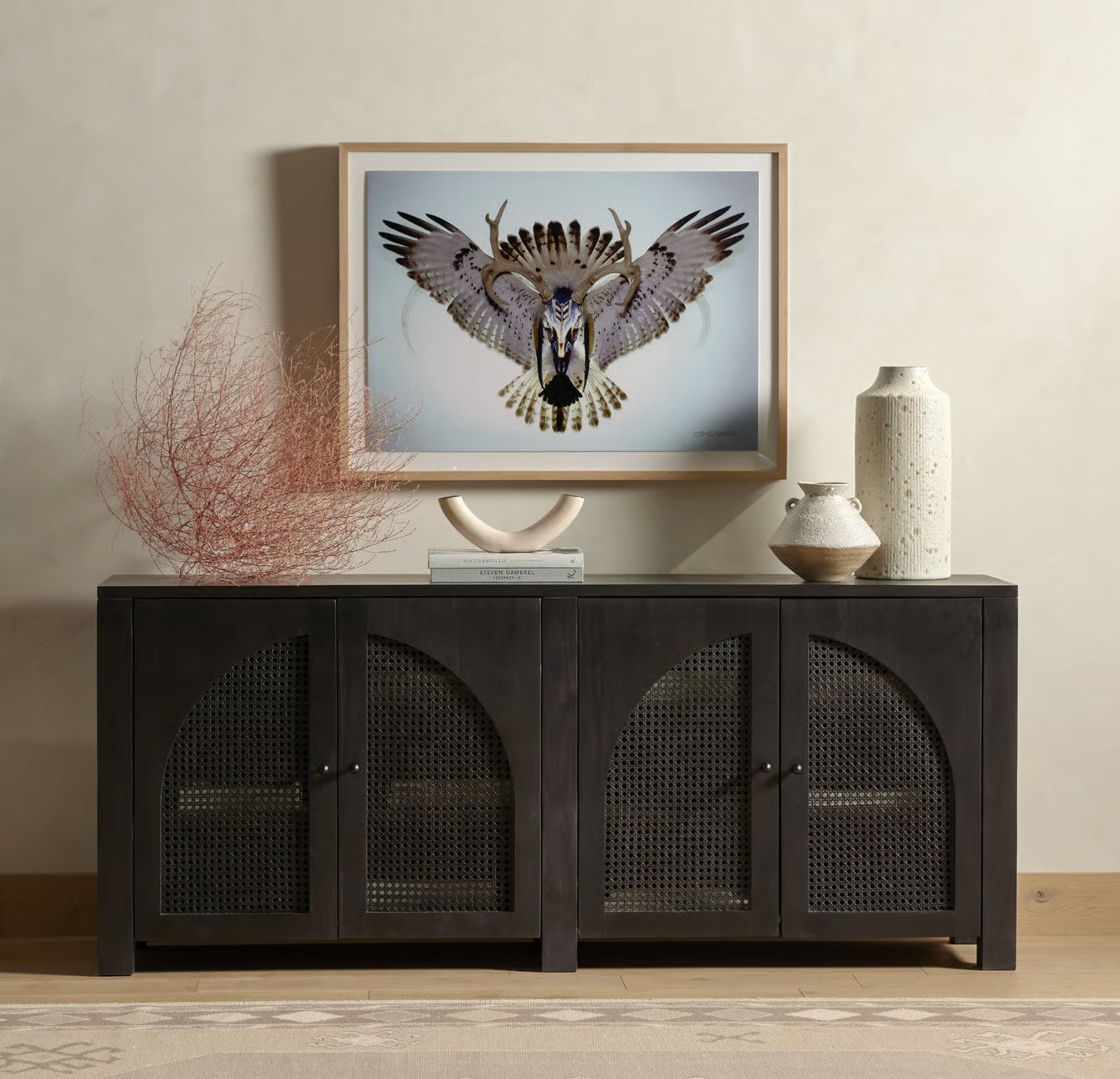
Sideboards 101: Storage, Styling, and When to Choose a Tilda Sideboard
Introduction
Few furniture pieces strike the balance between beauty and practicality like a sideboard. Originally designed for dining rooms, sideboards have evolved into some of the most versatile pieces in modern homes — serving as storage, display, and even room dividers.
At Wildwood Home Co., sideboards are more than just furniture. They’re design anchors — grounding a room while keeping your essentials elegantly tucked away. The Tilda Sideboard, in particular, embodies this balance of form and function with its sculptural design and natural material palette.
Whether you’re styling a dining area, entryway, or living room, here’s everything you need to know about choosing and using a sideboard beautifully.
What Is a Sideboard?
A sideboard is a long, low storage piece traditionally used in dining rooms for serving dishes and storing dinnerware. Over time, its role has expanded — today, it’s as much about style as it is about storage.
Modern Uses for Sideboards
-
Dining Room: Store table linens, serveware, and seasonal décor.
-
Living Room: Display books, vases, and art while hiding clutter.
-
Entryway: Offer concealed storage for shoes, bags, or mail.
-
Bedroom: Function as an alternative dresser or vanity base.
The key is choosing one that feels at home in your layout and complements your overall design aesthetic.

Why Sideboards Are Design Essentials
Sideboards serve as both anchors and transitions — they define zones in open spaces while adding texture and visual weight.
Benefits at a Glance
-
Hidden Storage: Keeps visual clutter out of sight.
-
Surface for Styling: Perfect for creating curated vignettes.
-
Balance and Flow: Helps tie together rooms and materials.
-
Longevity: A timeless investment piece that evolves with your home.
A good sideboard offers subtle luxury — an everyday essential that looks intentional in every context.
Introducing the Tilda Sideboard
The Tilda Sideboard from Wildwood’s furniture collection captures the essence of modern craftsmanship. Its clean silhouette, textural materials, and soft tones make it a versatile choice for contemporary and rustic spaces alike.
What Sets the Tilda Apart
-
Natural Wood Grain: Each piece highlights the beauty of organic materials.
-
Streamlined Profile: Slim, elegant proportions that don’t overpower a room.
-
Ample Storage: Deep compartments and smooth drawers for functional living.
-
Timeless Finish: A soft neutral tone that pairs beautifully with brass, travertine, or linen textures.
The Tilda is that rare piece that looks as good styled minimally as it does layered with art and accessories.
How to Style a Sideboard Like a Designer
A sideboard’s broad surface is an open canvas — and how you style it can transform the mood of your entire room.
1. Start with Height and Layers
Anchor one side with a tall vase or lamp, then layer smaller pieces around it. Varying heights create movement and draw the eye across the surface.
2. Add Natural Texture
Complement the Tilda’s soft wood tones with travertine trays, woven baskets, or ceramic bowls. These materials echo Wildwood’s signature organic aesthetic.
3. Include Art or a Mirror
Hang a large piece of artwork or lean a framed print against the wall. This gives the vignette vertical balance and sophistication.
4. Bring in Greenery
A simple stem — like a Willow Emerald or Cosmos Burgundy faux floral — adds life and dimension without cluttering the surface.
5. Use Lighting Thoughtfully
Table lamps or sconces on either side of the sideboard add warmth and symmetry, especially in dining or entry spaces.
When to Choose the Tilda Sideboard
Choosing the right sideboard is about context — both practical and visual.
Choose the Tilda If You Want:
-
Effortless Versatility: It works across dining rooms, entryways, and living areas.
-
Natural Neutrality: The finish complements both warm and cool interiors.
-
Design Longevity: Minimalist details and solid construction ensure lasting appeal.
-
Styling Flexibility: From modern minimalist to rustic chic, it adapts beautifully.
The Tilda Sideboard isn’t just furniture — it’s a design foundation that evolves with your home and taste.
FAQs About Sideboards
Q: What’s the difference between a sideboard and a buffet?
They’re often used interchangeably. Traditionally, sideboards are lower and sleeker, while buffets are slightly taller and designed for serving food.
Q: How do I size a sideboard for my space?
Aim for a piece that’s roughly two-thirds the length of the wall or dining table it sits near, leaving at least 12 inches of clearance on each side.
Q: Can I mix wood tones with my existing furniture?
Absolutely. Pair lighter woods like Tilda’s finish with darker floors or walnut accents for natural contrast.
Q: What should I store inside?
Anything you want to keep handy but hidden — linens, tableware, candles, games, or small electronics.
Conclusion
A sideboard does more than store — it grounds. It gives shape, rhythm, and texture to a room while keeping your essentials out of sight.
With its timeless silhouette and natural finish, the Tilda Sideboard from Wildwood Home Co. is a masterclass in understated luxury. It’s functional enough for daily life and refined enough to elevate every room it touches.
Because when design is thoughtful, even storage becomes beautiful.
