

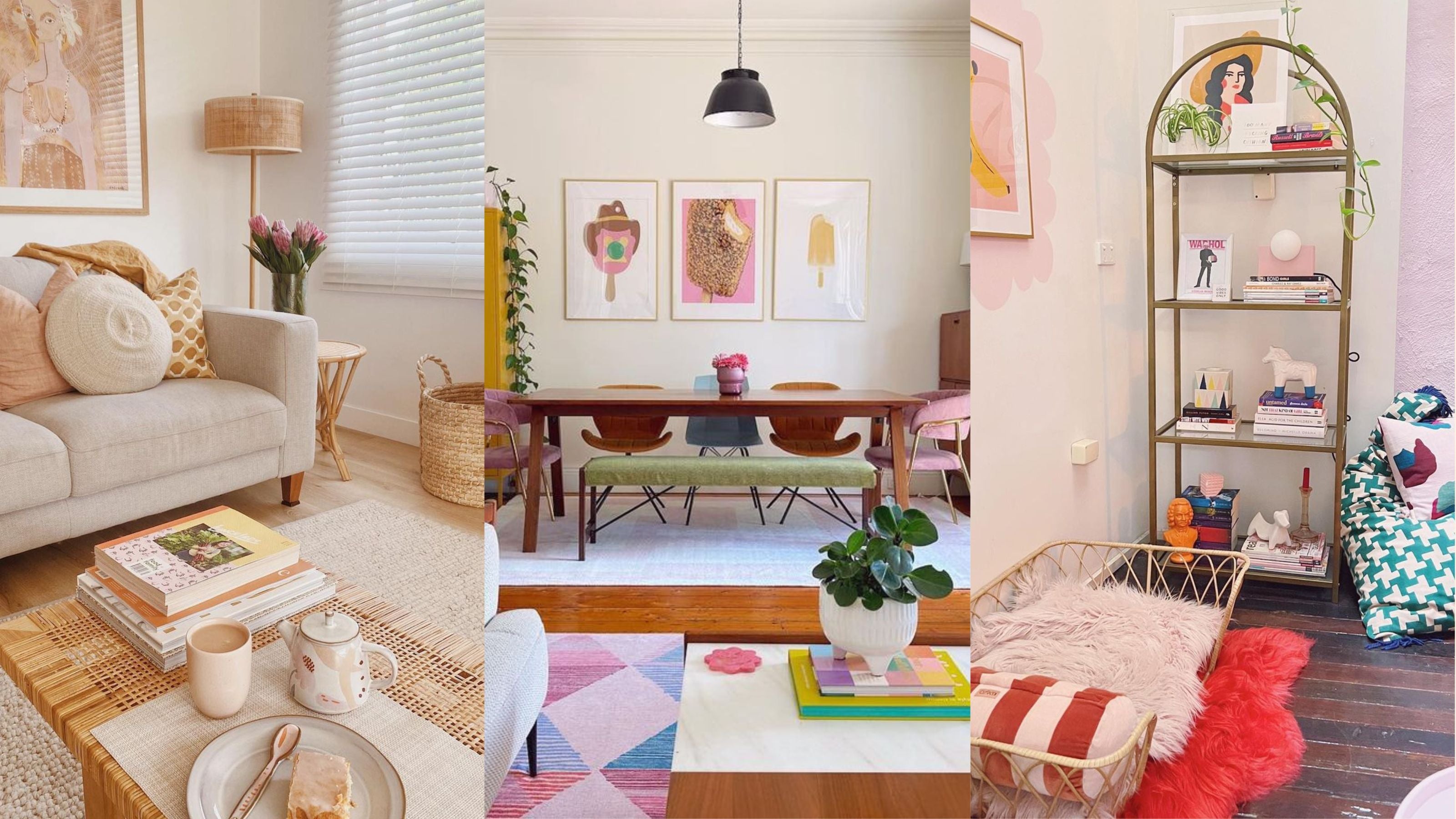
Room Decor Ideas That Actually Work in Real Homes
There's a gap between room decor that looks good in a photo and room decor that works in a real home — one that gets lived in, cleaned, adjusted, and used every single day. Most decor content is built around the former: perfectly staged rooms in controlled lighting with no evidence that anyone actually exists in them.
This guide is built around the latter. These are ideas that hold up to real life — that work in apartments and family homes, in rooms with mismatched furniture and rental-grade finishes, in spaces that need to serve multiple purposes at once. Practical, tested, and aesthetically sound.
Start With the Problem, Not the Pinterest Board
The most common decorating mistake is starting with inspiration images and working backward to your actual room. The result is a space that chases someone else's aesthetic rather than solving the problems your specific room actually has.
Before buying anything, spend fifteen minutes answering four questions about each room:
• What is this room's primary job? Dining, working, relaxing, sleeping, entertaining — a room that tries to do everything equally often does none of it well.
• What is the single biggest thing working against it right now? Bad lighting, wrong-sized furniture, no focal point, too much stuff, not enough storage — name the specific problem.
• What do I already own that belongs in this room? Most rooms are improved more by editing what's already there than by adding more.
• What is the one thing that would change this room the most? Usually it's lighting, a rug, or a piece of wall art — rarely the thing you think it is.
Answer those honestly and the right decor decisions become obvious. Skip them and you'll keep buying things that don't solve anything.
Living Room: The Room That Does the Most Work
The living room is where most decorating energy goes — and where the most common mistakes happen. The fixes that actually move the needle:
• Add a second light source before anything else. A floor lamp in a dark corner or a pair of table lamps on either side of a sofa will transform a living room more than any decorative object. Overhead lighting alone flattens every room it touches.
• Size up the rug. The rug in most living rooms is too small. It should be large enough that the front legs of all major seating sit on it — ideally all four legs. A floating rug in the center of a seating area makes everything around it look unanchored.
• Commit to one focal point. Every well-designed living room has a single visual anchor — a fireplace, a large piece of art, a statement sofa, a dramatic window. If your room is trying to draw the eye in three directions at once, pick one and let everything else support it.
• Layer textiles deliberately. A throw on the sofa, a mix of pillow sizes and textures, a woven element on the coffee table — these are what make a living room feel inhabited rather than assembled. The key is mixing textures, not matching them.
Bedroom: Calm Is a Design Choice
The bedroom is the room most people underdecorate — a functional space that gets the leftover design budget after every other room is done. That's a mistake, because the quality of a bedroom directly affects sleep, mood, and the first and last impression of every day.
The ideas that work consistently:
• Invest in bedding before anything else. You spend a third of your life in contact with your bedding. Natural fiber sheets — linen, cotton percale, or cotton sateen — sleep better, last longer, and look better than synthetic alternatives. Start with quality basics in a neutral tone and build from there.
• Match lamp height to the bed. Bedside lamps should sit roughly at seated eye level — which means the bottom of the shade should be approximately at shoulder height when you're sitting up in bed. Lamps that are too tall wash the light over your head. Too short and they don't illuminate what you're trying to read.
• Edit the surfaces. A bedside table with twelve objects on it is a bedside table that creates visual noise every morning before you've had coffee. Two to three intentional objects — a lamp, something living (a plant or a small vase), one personal object — is enough.
• Use curtains to make the ceiling feel taller. Hang curtain rods as close to the ceiling as possible and let curtains fall to the floor. Even in a room with standard eight-foot ceilings, this makes the space feel dramatically larger.
|
The Bedroom Textile Stack A bed that looks like it belongs in a boutique hotel uses a specific layering formula: • Base layer: fitted sheet and flat sheet in a quality natural fiber (linen or percale cotton) • Middle layer: a lightweight duvet or comforter in a neutral — white, cream, or warm gray • Top layer: a folded throw or quilt across the foot of the bed for texture and warmth • Pillows: sleeping pillows in shams + two to three decorative pillows in varied sizes (24", 20", 18") Browse S.W. Home's textile collection for bedding and bath linens that work together. |
Kitchen: Function First, Style Built In
Kitchen decor is the most practically constrained of any room — it has to work around appliances, cabinets, and a surface that gets used dozens of times a day. The ideas that hold up:
• Style open shelving like a curated display, not a storage solution. Group objects in odd numbers, vary the heights, and mix functional items (vessels, boards, stacks of bowls) with a few purely decorative pieces. Leave gaps — breathing room makes the shelf look intentional.
• Decant pantry staples. Transferring dry goods into matching glass or ceramic containers is one of the highest-impact, lowest-cost changes you can make to a kitchen. The countertop goes from cluttered to considered in an afternoon.
• Add one quality textile. A linen dish towel, a woven runner, or a set of cloth napkins takes thirty seconds to add and immediately elevates the room. In a kitchen where everything else is hard-surfaced, a single textile introduces warmth that the space almost always needs.
• Treat the countertop like a styled surface, not a landing zone. Keep only what you use daily visible. Everything else gets a home in a cabinet. The visual quiet of an edited countertop makes the kitchen feel twice as large and twice as intentional.
Bathroom: The Easiest Room to Upgrade
The bathroom is the room where small upgrades have the most disproportionate impact. It's also the smallest canvas, which means every decision is visible. Three changes that reliably transform a bathroom:
• Swap the towels. Standard bath towels are one of the most visible and tactile elements in any bathroom. Replacing them with quality waffle-weave or linen towels in a neutral tone is the fastest upgrade the room can get. The texture difference is immediate and the aesthetic shift is dramatic.
• Decant and contain. Plastic bottles of shampoo and hand soap are visual noise. Transferring them to ceramic or glass dispensers — or eliminating them from the counter entirely and storing them in a cabinet — clears the visual field and makes the room feel designed.
• Add one piece of wall art. Bathrooms are almost always bare-walled, which makes them feel utilitarian regardless of how nice the fixtures are. A single framed piece at eye level — something simple, something that works with the room's palette — closes the gap between functional and designed.
Entryway: The Room That Sets Every Expectation
The entryway is the first impression of every home and the last thing guests see when they leave. It's also usually the most neglected — a pass-through space that accumulates objects rather than being designed. Three moves that work in any entryway:
• A console table with a mirror above it. This is the classic entryway formula because it works: the table provides a surface for essentials, the mirror bounces light and makes the space feel larger, and together they create a moment of intention in a transitional space.
• One strong light fixture. If there's a ceiling fixture in the entryway, it's worth replacing with something that makes a statement. Entry fixtures are seen by every person who comes through the door — it's a high-visibility, high-impact upgrade.
• A contained catchall. A tray, a bowl, or a basket that corrals keys, mail, and daily essentials keeps the space functional without letting it become cluttered. The container is the design decision — the objects inside it are managed, not displayed.
Room-by-Room Quick Reference
The highest-impact moves in every major room, ranked by priority:
|
Room |
Highest Impact Move |
Second Priority |
Finishing Touch |
|
Living Room |
Layered lighting + anchor rug |
One large art piece above sofa |
Mix textures in throw pillows and blankets |
|
Bedroom |
Linen or cotton bedding in neutrals |
Nightstands with lamps at eye level |
Keep surfaces edited — 2 to 3 objects max |
|
Dining Room |
Pendant centered over table |
Rug extending 24" beyond table edge |
One centerpiece below sightline height |
|
Kitchen |
Open shelving styled in odd groups |
Decant pantry staples into vessels |
Add one textile — a linen towel, a runner |
|
Bathroom |
Waffle or linen towels in neutral tones |
One piece of wall art at eye level |
Decant products into matching containers |
|
Entryway |
Console table with mirror above |
One statement light fixture |
A tray or basket to contain daily items |
|
Home Office |
Warm desk lamp over overhead light |
One plant or living element |
Style shelving like a curated display |
The Ideas That Work Everywhere
A few principles show up consistently across every room type — not as rules but as patterns that reliably separate rooms that feel designed from rooms that feel furnished:
• Edit before you add. In almost every room, the first step is removing things, not buying them. A room with fewer, better objects always outperforms a full room with no point of view.
• Fix the lighting first. No amount of decorative objects compensates for flat, harsh, or insufficient lighting. It's the one change that affects how everything else in the room looks.
• Commit to a material family. Natural fibers, matte finishes, and organic textures belong together. Mixing them with glossy, synthetic, or highly polished surfaces creates visual tension that makes a room feel unresolved.
• Invest in what you touch. Bedding, towels, sofa upholstery, rugs — the things you're in physical contact with every day. Tactile quality is felt constantly, even when it's not consciously noticed.
• Leave room to breathe. In every surface, every shelf, every room — negative space is not wasted space. It's what makes the things you've chosen visible.
The common thread in every room decor idea that actually works: intention over accumulation. A home built from deliberate choices — even modest ones — will always outperform a home full of things that arrived without much thought.
Browse the S.W. Home collection for home decor, textiles, and bath accessories selected to work in real rooms — not just styled ones.
|
Pieces That Work in Real Rooms Every piece at S.W. Home is chosen because it works — not because it photographs well or follows a trend. Browse a collection built for real homes, real rooms, and real life. |
