

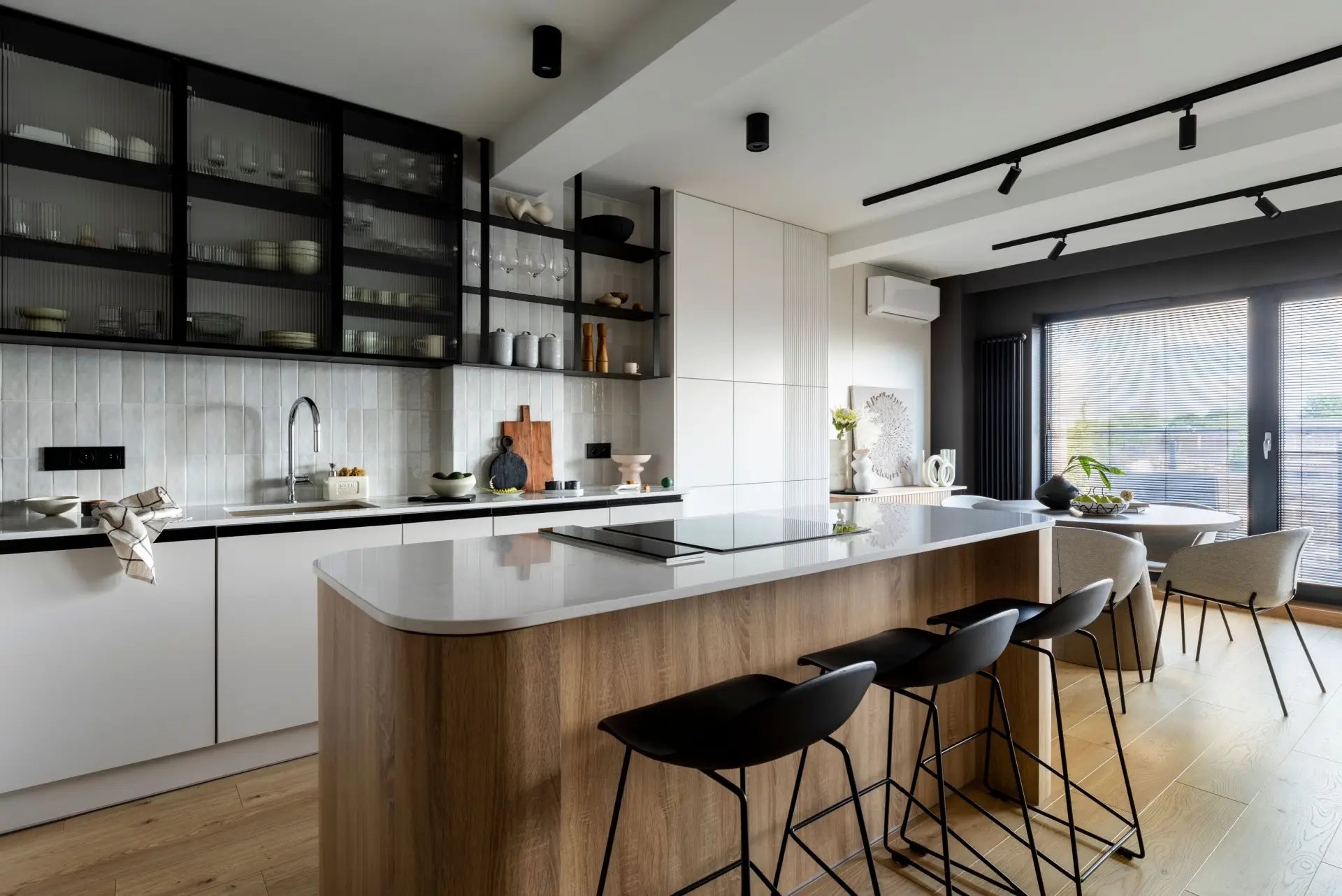
Mixing Materials & Finishes in the Kitchen: Stone, Wood & Metal
The modern kitchen has become more than a place to prepare meals—it’s a space that reflects personality, style, and the way we live. In 2025, one of the most exciting design trends is mixing materials and finishes. Homeowners and designers are moving away from uniform looks in favor of layered spaces where wood, stone, and metal coexist beautifully.
This trend isn’t just about aesthetics. It’s about creating kitchens that feel dynamic, timeless, and lived-in. Whether your home leans rustic, contemporary, or somewhere in between, mixing materials gives your kitchen depth and character.
Why Mixing Materials Works
Kitchens can easily feel sterile when surfaces and finishes are too similar. By introducing contrast, you create interest and balance. Stone offers grounding elegance, wood brings warmth, and metal adds shine and sophistication. Together, these elements:
-
Make the kitchen feel more natural and organic.
-
Provide visual contrast that keeps the space engaging.
-
Reflect a curated, designer-quality look without requiring a full remodel.
The best part? You can incorporate this trend with both major updates and small, thoughtful accessories.

Stone: Timeless Elegance
Stone has long been a staple in kitchen design, but in 2025, its role extends beyond countertops. Travertine trays, marble boards, and stone canisters bring organic texture to everyday spaces. Stone creates a grounding effect, offering durability and sophistication at once.
Styling Tip: Place a stone tray on your counter to corral oils or spices, or use a stone vase filled with greenery to bring natural balance. Stone works especially well as a base layer for contrasting materials.
Wood: Warmth and Texture
If stone feels cool and sleek, wood is its perfect counterpart. Wooden cutting boards, canisters, and serving pieces add warmth, making kitchens more inviting. Light wood tones such as oak or beech are trending in 2025, complementing both modern and rustic spaces.
Styling Tip: Layer a scalloped cutting board against the backsplash, paired with a darker wood board. The variation in tones creates depth and visual interest, while the natural material softens hard surfaces like stone or tile.
Metal: Shine and Sophistication
Metal accents are no longer reserved for appliances. Brass boxes, copper grinders, and even decorative jars bring a subtle gleam to the kitchen. Antique-inspired finishes are especially popular, adding a touch of timeless elegance without overwhelming the space.
Styling Tip: Pair a brass box or copper salt mill with a wooden cutting board and a stone tray. This trio creates the perfect balance of finishes in a small vignette.
How to Combine Materials Effectively
Stick to a Cohesive Palette
Mixing materials doesn’t mean anything goes. Aim for a unified color palette—neutral tones of charcoal, cream, beige, and soft metallics work beautifully. This ensures variety without chaos.
Layer in Small Vignettes
Instead of spreading materials randomly, group them together. For example, place a wooden cutting board, a stone tray, and a brass accent on one section of the counter. This creates a focal point that feels intentional.
Balance Rough and Refined
Pair smooth, polished stone with rustic woods or matte metals. This play between rough and refined surfaces is what makes the combination so compelling.
Avoid Overcrowding
While mixing is key, restraint matters. Focus on two to three main materials and repeat them throughout the kitchen. This repetition ties the space together.
FAQs About Mixing Materials in the Kitchen
Q: Do I need to renovate to use this trend?
Not at all. You can embrace it through small changes—like adding wooden accessories, stone trays, or metal accents—to refresh your kitchen.
Q: Will mixed finishes go out of style?
Unlikely. Stone, wood, and metal are timeless materials. The way you layer them may evolve, but the concept will remain relevant for years.
Q: How can I avoid making the kitchen look too busy?
Stick to a limited color palette and repeat the same few materials. The consistency will create balance even with multiple finishes.
Q: What’s the easiest way to start mixing materials?
Begin with accessories. A stone tray, a wood cutting board, and a brass box on your countertop are enough to introduce the look.
Conclusion
Mixing materials and finishes in the kitchen is about more than following a trend—it’s about creating a space that feels authentic, layered, and timeless. Stone brings elegance, wood adds warmth, and metal contributes shine and sophistication. Together, they form a balanced design that makes the kitchen feel truly lived in.
Whether you introduce the look through trays, cutting boards, or accent pieces, the key is intention. By thoughtfully combining these materials, you can transform your kitchen into a space that’s as stylish as it is functional.
