

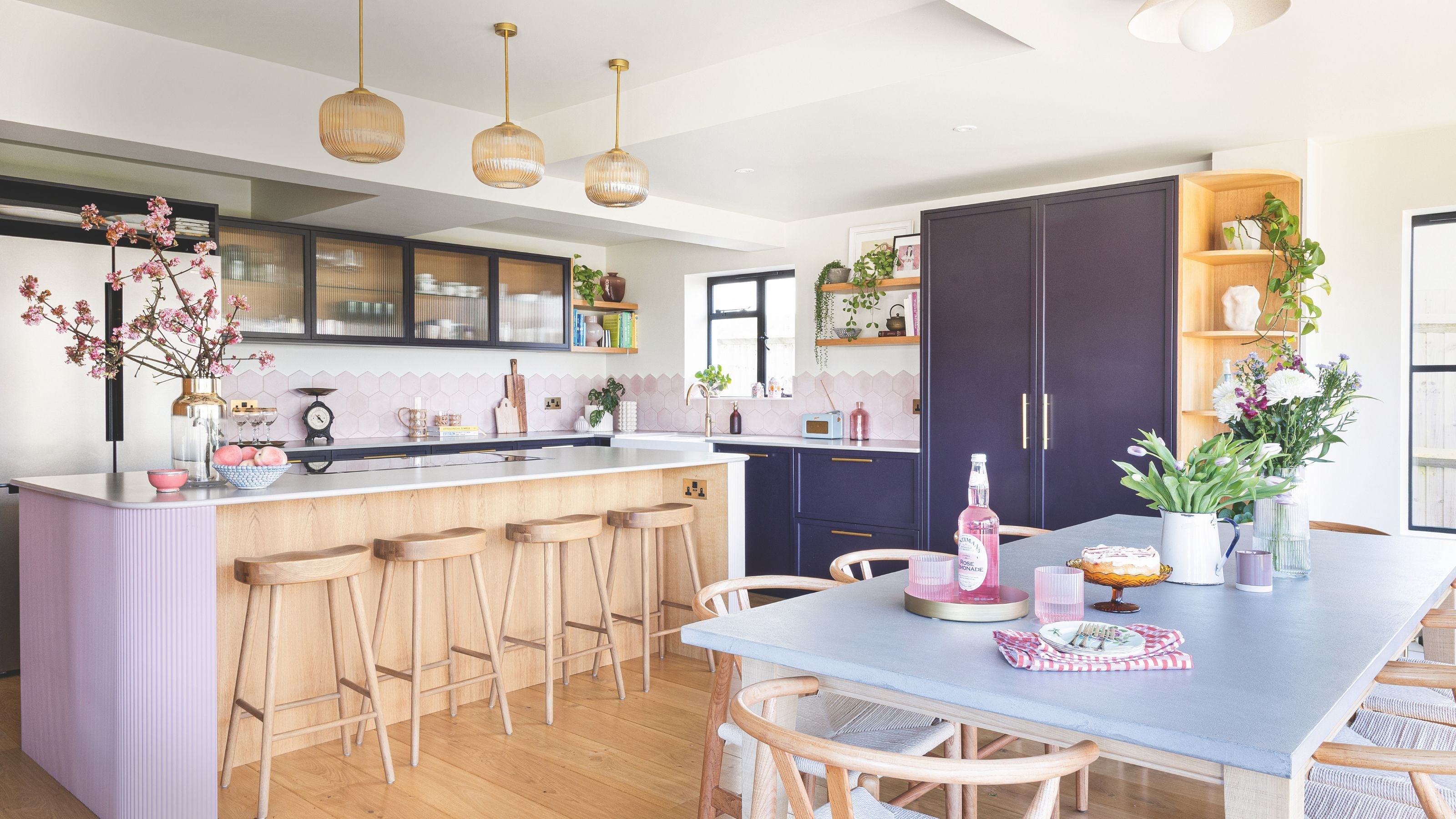
Kitchen Decor Ideas to Make Your Space Feel Pulled Together
The kitchen is the most functionally complex room in the home — and the one where decorating instincts most often fail. The constraints are real: appliances that can't move, cabinets that dictate the color palette, surfaces that need to withstand heat and moisture and daily use. Most kitchen decor advice ignores those constraints and presents impractical solutions.
These ideas work within real kitchens — the kind with limited counter space, rental-grade finishes, and the daily reality of actual cooking.
Start With the Counter: Edit Before You Add
The single most impactful kitchen decor move is also the simplest: remove everything from the counter that isn't used daily. The visual noise of small appliances, accumulated mail, children's items, and miscellaneous objects is the primary reason most kitchens feel cluttered regardless of their size or finish quality.
The editing test: if you use it less than twice a week, it goes in a cabinet or drawer. What remains on the counter should be limited to:
• One small appliance in daily rotation (coffee maker, kettle, toaster)
• A cooking oil and salt within reach of the stove
• One fruit bowl or functional object that's also decorative
• A single textile — a linen dish towel or a small cloth — for texture
An edited counter looks larger, cleaner, and more intentional — immediately, without spending anything.
Open Shelving: The Most Visible Canvas in the Kitchen
If your kitchen has open shelves, they're the primary decorating opportunity. Styled well, open shelves make a kitchen feel curated and personal. Styled poorly, they make it feel messy.
The rules that work:
• Mix functional and decorative objects. A shelf of nothing but dishes reads as storage. A shelf that mixes dishes with a few plants, a ceramic vessel, and a cookbook reads as styled.
• Group in odd numbers. Three bowls, five mugs, seven small objects — odd groupings read as organic rather than arranged.
• Vary heights. Stack plates (low), position vessels (medium), add a plant or tall bottle (high). The variation creates movement along the shelf.
• Leave breathing room. 30 to 40% of each shelf should be clear. The empty space is what makes the objects on it look chosen.
• Commit to a color palette. White or neutral dishware with one accent color (all the same green, all the same warm terracotta) looks far more intentional than a mix of unrelated colors.
Textiles: The Fastest Kitchen Upgrade
A linen dish towel, a woven runner, a set of cloth napkins — textiles are the fastest way to add warmth and visual texture to a kitchen that's otherwise dominated by hard surfaces. In a room where everything is ceramic tile, stainless steel, and laminate, a single quality textile introduces a completely different material language.
What works:
• Linen dish towels: hung on the oven handle or folded on the counter. Choose a neutral linen or a simple stripe pattern. Avoid novelty prints.
• Woven placemats or a runner: on the kitchen table or counter bar, a woven element adds texture and defines the dining surface.
• Cloth napkins: even in everyday use, switching from paper to cloth napkins elevates the daily experience of the kitchen and reads as intentional.
Wall Decor: The Most Neglected Kitchen Surface
Kitchen walls are typically bare — not because art doesn't work in kitchens but because people don't think to treat the kitchen wall the same way they'd treat a living room wall. It responds to the same principles:
• One large piece over a blank wall: a single print or framed artwork above the kitchen table, or on a bare wall opposite the counter, anchors the space immediately.
• A small gallery beside the window or above the sink: tight groupings of small frames — three or four at consistent 2" spacing — work well in the narrow vertical spaces kitchens often have.
• Functional wall decor: a mounted knife block, a pegboard for tools and plants, or a chalkboard with a menu or list — items that are decorative and functional simultaneously.
|
The Decant-and-Display Method for Pantry Items If your kitchen has glass-front cabinets or open shelving where pantry items are visible, decanting dry goods into matching ceramic or glass containers immediately transforms the visual quality of that storage. Coffee, tea, pasta, grains, and dried legumes in matching vessels — labeled simply or not at all — read as curated rather than stocked. The investment is modest; the visual difference is significant. |
The Kitchen Table: The Most Personal Surface
The kitchen table is where the most daily life happens — breakfast, homework, informal meals, conversations that linger after the food is gone. It deserves the same styling attention as a living room coffee table.
• A simple centerpiece: a bowl of fruit, a small plant, a ceramic vessel with a single stem. Keep it below sightline height — under 10 inches — so it doesn't block eye contact across the table.
• Placemats or a runner: defines the table surface and adds color and texture. Natural fiber or linen works in almost every kitchen aesthetic.
• A small tray for everyday objects: salt and pepper, a small candle, a matchbox. Containing them in a tray makes them look intentional rather than left out.
Browse S.W. Home's kitchen and home decor collection for kitchen accessories, textiles, and decorative objects that bring the same intention to your kitchen that the rest of your home deserves.
|
Shop Kitchen Decor at S.W. Home Kitchen accessories, textiles, and decorative objects selected to work in real kitchens — not just styled ones. Browse the S.W. Home collection. |
