

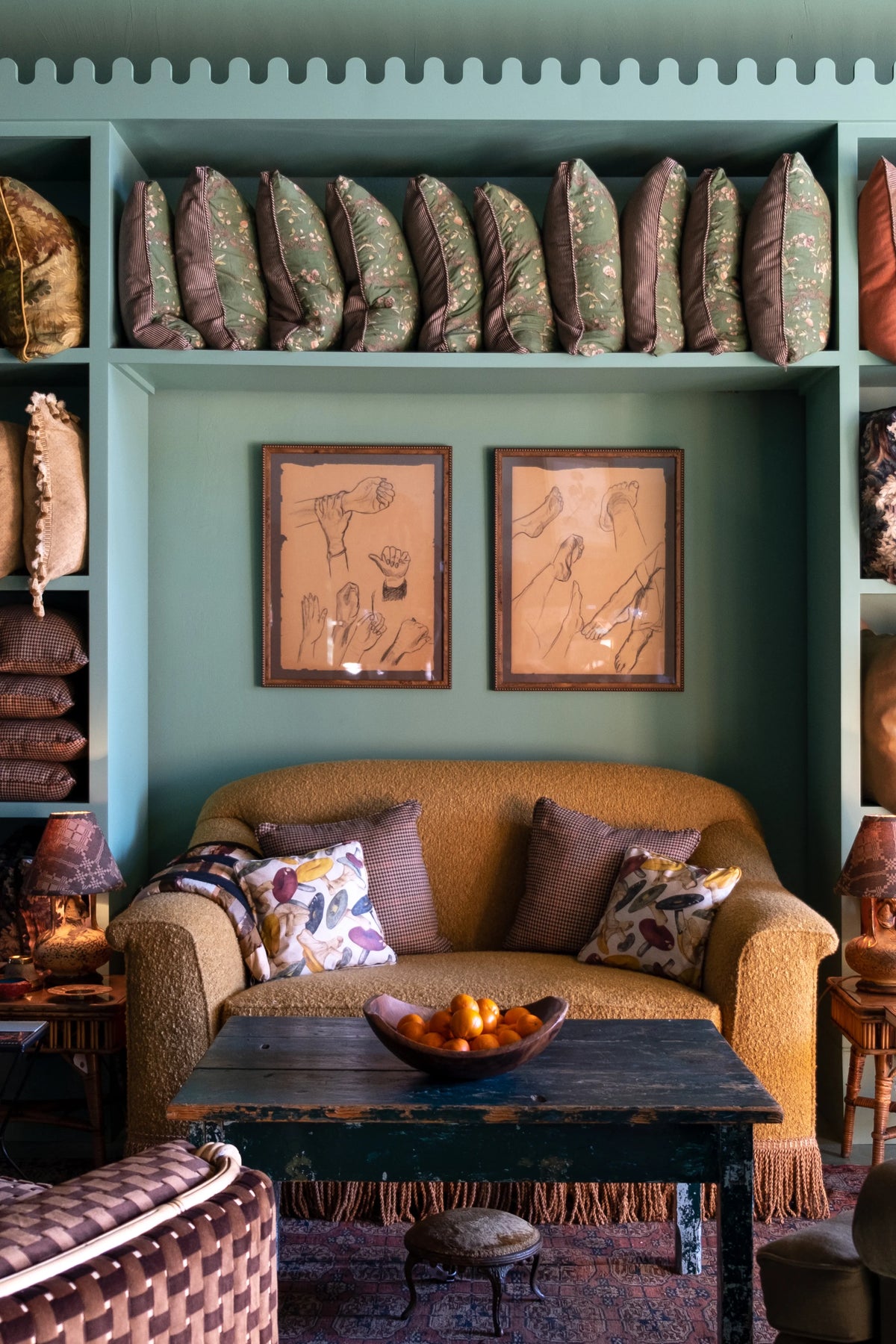
Home Decor Stores Worth Knowing: What to Look for and Where to Find Them
The most common home decor shopping experience goes like this: you visit the obvious places, scroll the obvious sites, and end up with pieces that are fine — inoffensive, functional, not quite what you had in mind. The home that feels genuinely personal and intentional — the kind that makes visitors want to know where everything came from — is almost never built from those obvious sources.
This guide is about finding the stores worth knowing: what separates them from the generic alternatives, how to evaluate a source before you commit, and how to build a home that looks collected rather than decorated.

Why Generic Home Decor Stores Produce Generic Homes
The business model of large home decor chains is built on trend cycles and volume. They identify what's performing well in design media, produce it at scale, and move it out of inventory before the trend peaks. The result: millions of homes containing the same objects at the same time.
That's not a criticism of the objects themselves — many are genuinely attractive. It's a description of the outcome. When the same throw pillow, the same rattan mirror, and the same marble-look tray appear in a significant percentage of homes in any given year, they stop functioning as design decisions and become furniture wallpaper.
The alternative isn't necessarily more expensive. It's more selective — shopping from sources where an editorial process has already happened, where someone with genuine taste made real choices about what belongs.
Six Signals That a Home Decor Store Is Worth Your Time
• It has a recognizable point of view. You can describe the store's aesthetic in a sentence. It's not 'everything for everyone' — it's something specific. At S.W. Home, that point of view is warm, natural, and enduringly considered: pieces with material quality and lasting character.
• The selection is edited, not exhaustive. A store with 30 carefully chosen objects is almost always more valuable than one with 3,000 random ones. The editing is the service.
• It can tell you what things are made of. Material transparency is a signal of selection rigor. If the product description (or the staff) can't tell you the wood species, the fabric content, or the construction method — the selection process wasn't rigorous.
• Pieces from different categories work together. A store where the home decor objects and the textiles share an aesthetic vocabulary is one where someone thought about the whole home, not just individual products.
• It carries pieces from previous seasons. Longevity in the collection is a signal of confidence in the selection. A store that turns its inventory completely every season is chasing trends, not curating.
• The visual merchandising is intentional. How a store presents its objects — how pieces are grouped, what's placed beside what — tells you whether someone is thinking about how things work together in a real room.
Types of Home Decor Sources Worth Building Into Your Rotation
• Boutique online retailers with editorial standards: the sweet spot for most people — curated selection, nationwide shipping, a clear point of view. S.W. Home (shopswhome.com) is exactly this: a Carmel, Indiana-based boutique built by Studio Wildwood that ships nationally.
• Local boutiques in unexpected neighborhoods: the shops worth finding are rarely in the obvious shopping districts. Ask someone whose home you admire. The answer is usually a shop you haven't heard of.
• Antique markets and estate sales: the only source for genuinely one-of-a-kind pieces with real history. Requires patience and an educated eye, but produces the objects that give a home its most distinctive character.
• Maker-direct platforms: for ceramics, textiles, wall art, and hand-crafted objects, buying from the maker is often the best path to something genuinely distinctive — and frequently more affordably than gallery or retail pricing.
|
The Question That Separates Good Sources From Great Ones Before buying from any new home decor source, ask: 'If I furnished my entire home from this store, would it look like my home or like theirs?' A great store gives you pieces that become yours. A mediocre one produces homes that look like the store's display floor. |
Building a Home That Feels Collected, Not Decorated
The homes that generate the most genuine admiration — the ones that make visitors ask where things are from — share a quality that has nothing to do with budget:
• They were built slowly. A room furnished over time, with each piece chosen in relationship to what's already there, almost always outperforms one assembled in a single shopping session.
• They include things that can't be purchased new. Inherited pieces, vintage finds, travel objects, handmade items — things with origin stories that can't be replicated by any store.
• They have a material logic. The materials in the home repeat and reinforce each other — warm wood, natural linen, aged brass, organic ceramic — creating a cohesive sense that everything belongs together.
• They were edited. Someone made the deliberate decision to remove things that didn't belong. Empty space is as intentional as the objects that fill it.
Start with S.W. Home — an edited boutique where every piece in the home decor collection was chosen with exactly that standard in mind.
|
Shop S.W. Home — Edited. Intentional. Nationwide. Home decor, textiles, and accessories chosen to feel personal, not generic. Browse a collection built for homes that tell a story. |
