

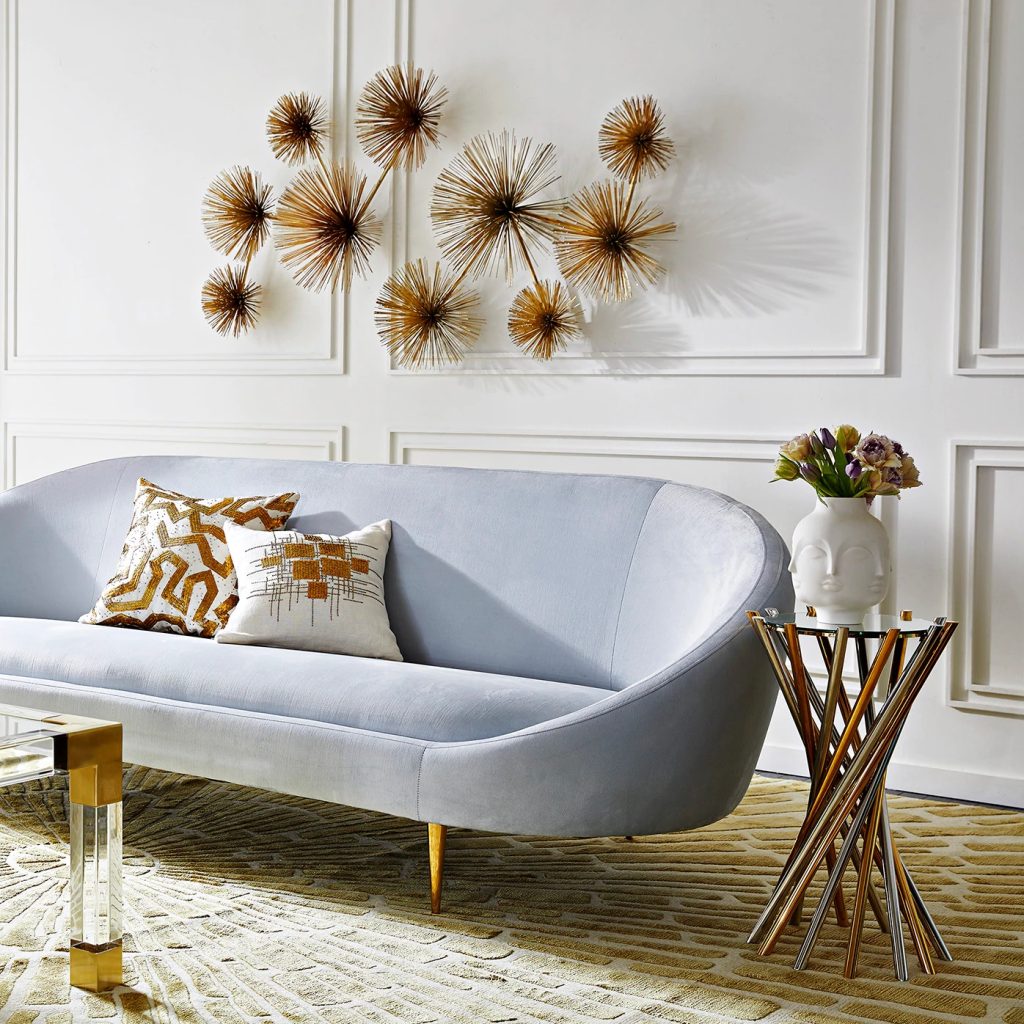
Decorative Objects That Make a Room Feel Finished
A room can have excellent furniture, good lighting, and the right textiles — and still feel like it's missing something. That missing element is almost always decorative objects: the ceramics, trays, sculptural pieces, and found objects that signal that someone made real choices about this space.
This guide is about understanding what decorative objects actually do in a room, how to choose them well, and how to place them so they contribute rather than clutter.
What Decorative Objects Actually Do
Decorative objects aren't just filler. In a well-designed room they perform specific functions:
• Scale the room's surfaces. An empty shelf or bare coffee table reads as unfinished. Objects give the eye somewhere to rest and provide scale reference that makes the surrounding furniture read correctly.
• Introduce material and texture. A ceramic bowl on a wood table introduces a contrast of material — the matte glaze against the grain — that makes both elements more interesting. Objects are often the primary vehicle for material variety in a room.
• Carry color. A room built on a neutral palette uses decorative objects to introduce the accent color. A single terracotta vessel, a brass tray, a deep indigo book spine — these are the color notes that make a neutral room feel alive rather than gray.
• Tell the room's story. Objects with meaning — things collected, inherited, made, or found — communicate something about the person who lives in the space. That communication is what makes a room feel personal rather than generic.
The Objects That Work Hardest
Not all decorative objects contribute equally. These are the categories that reliably elevate a room:
• Ceramics and pottery: hand-thrown or artisan ceramic vessels, bowls, and sculptural pieces bring organic form, tactile texture, and material honesty to any surface. They work equally well on coffee tables, consoles, shelves, and side tables.
• Trays: a well-chosen tray does double duty — it organizes other objects into a cohesive grouping and provides a visual anchor that prevents surfaces from looking scattered. In natural materials (wood, woven rattan, stone) they also add texture.
• Sculptural objects: abstract forms, found objects with interesting silhouettes, and pieces whose primary value is visual — these are the objects that reward prolonged looking. They don't need to be expensive; they need to be interesting.
• Books: art and design books stacked horizontally provide height variation on shelves and surfaces, introduce color through their spines and covers, and communicate intellectual life. They're among the most versatile decorative objects in any room.
• Living elements: plants, cut flowers, and dried botanicals bring organic life to a room in a way no manufactured object can replicate. Even a single stem in a simple vessel changes the energy of a surface.
• Candles: functional and decorative simultaneously. Quality candles in simple vessels add scent, warm light, and visual mass. When unlit they read as beautiful objects; when lit they transform a room's atmosphere.
How Many Objects Is Too Many
The most common decorative mistake is accumulation without editing. Objects accrue over time — gifts, impulse purchases, things that seemed right in the store — and surfaces fill without intention. The result is visual noise that makes even beautiful individual objects disappear.
|
Surface |
Right Amount |
Red Flag |
Rule |
|
Coffee table |
3–5 objects |
More than 6 |
30–40% surface clear |
|
Console table |
3–5 objects in 1–2 groupings |
Objects spread evenly across full length |
Two-zone approach with breathing room |
|
Shelf (per section) |
3–5 objects + 1–2 books |
Every inch filled |
Leave 30% open |
|
Nightstand |
2–3 objects |
More than 4 |
Lamp + 1–2 objects only |
|
Dining table (centerpiece) |
1 grouping, under 12" tall |
Blocks sightlines |
Eye contact across table is essential |
|
The Odd Number Rule — And Why It Works Groups of odd numbers (3, 5, 7) always look more organic and intentional than even-numbered groups. The reason is visual: even numbers create symmetry, which reads as arranged. Odd numbers create a slight asymmetry that reads as found — as if the objects arrived there naturally rather than being placed. Apply this to every surface and every shelf grouping, and the room will feel collected rather than decorated. |
Placement: Where Objects Go and Why
The same object in a wrong position reads differently than in a right one. A few placement principles that work consistently:
• Vary heights within every grouping. A flat arrangement of same-height objects is visually inert. Every grouping needs at least one tall, one medium, and one low element — even if the difference is only an inch.
• Anchor groupings with a tray or base. Objects placed directly on a surface can look scattered. The same objects contained in a tray or placed on a small riser read as a deliberate arrangement.
• Relate objects to each other through material or color. A grouping of three unrelated objects feels random. Three objects that share a material (all ceramic, all natural fiber, all metal) or a color family feel like a collection.
• Position the tallest object off-center. Centered height creates symmetry; off-center height creates movement. In most situations, the taller element placed to one side with smaller objects filling in produces a more dynamic and interesting grouping.
The S.W. Home home decor collection is built around exactly this kind of object — pieces selected for their material quality, their form, and their ability to work within a well-designed room. Explore the full range of decorative objects and home accessories to find what belongs in yours.
|
Shop Decorative Objects at S.W. Home Hand-picked ceramics, trays, sculptural objects, and home accessories that make a room feel finished — not just furnished. Browse the full S.W. Home collection. |
