

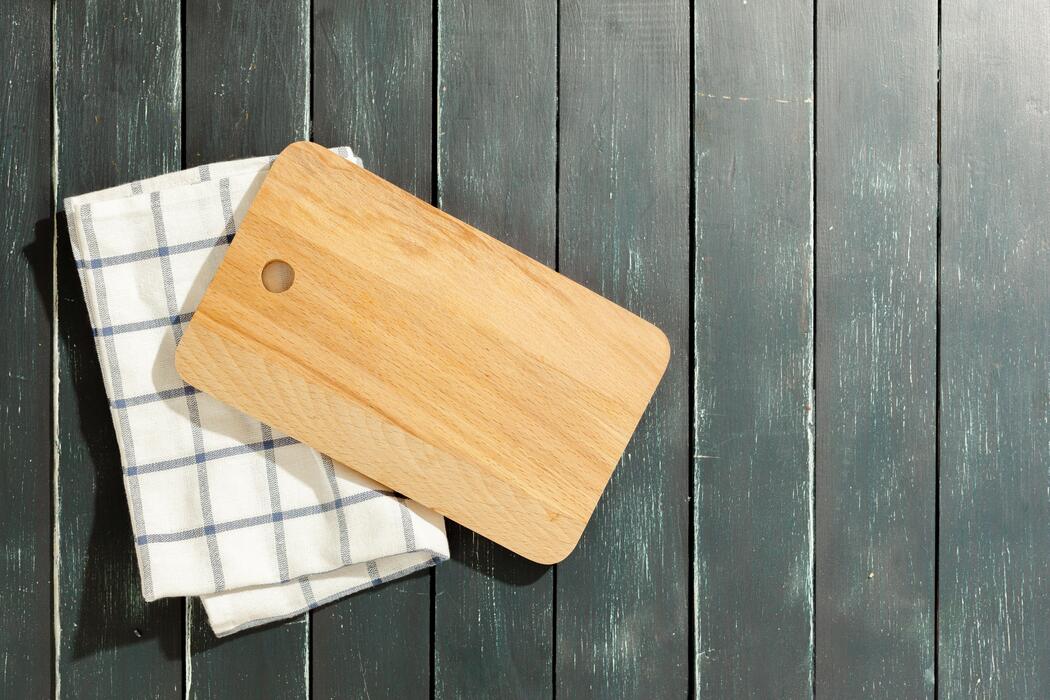
Bread Boards and Wood Cutting Boards: How to Choose, Use, and Care for Them
A wood bread board is one of those kitchen objects that lives on the counter rather than in a cabinet — and for good reason. It functions as a cutting surface, a serving vessel, and a counter display piece simultaneously. A well-chosen bread board on a kitchen counter is actively working even when no food is on it: it adds warmth, texture, and the visual quality of a natural material to a space that's otherwise dominated by hard, cool surfaces.
This guide covers the material decisions that matter (not all wood is equal), the sizing logic for cutting versus serving, the care habits that keep a wood board for decades, and how to style it as part of a broader kitchen counter arrangement.

Wood Species: The Material Decision That Defines the Board
The species of wood used in a bread board or cutting board determines its hardness, its grain pattern, its color, and how it responds to use and washing:
|
Wood Species |
Hardness |
Grain Pattern |
Color Range |
Best For |
|
End-grain maple |
Very hard |
Fine, even |
Light blonde |
Heavy cutting; most durable; professional kitchens |
|
Walnut |
Hard |
Rich, varied |
Deep brown to chocolate |
Serving and display; most visually distinctive |
|
Cherry |
Medium-hard |
Smooth, subtle |
Warm amber to reddish brown |
Serving boards; ages beautifully to deeper tone |
|
Teak |
Hard, oily |
Prominent grain |
Golden to medium brown |
Wet environments; naturally water-resistant |
|
Acacia |
Hard |
Dramatic, varied |
Wide range — blonde to dark |
Display and serving; highly photogenic grain |
|
Bamboo |
Very hard |
Fine, regular |
Light blonde, consistent |
Eco choice; harder than most woods on knife edges |
For a bread board specifically — a piece that sits on the counter and serves as much as it cuts — walnut, cherry, and acacia are the visual standouts. Their grain patterns and warm tones make them objects worth displaying, not just tools worth using.
End-Grain vs. Edge-Grain vs. Face-Grain
The cut of the wood matters as much as the species — especially for boards that will see regular knife use:
• End-grain boards (the visible surface is the cross-section of the wood fibers, like the end of a log) are the most knife-friendly. The blade enters between the fibers rather than cutting across them, which is gentler on knife edges and produces the self-healing property that end-grain boards are known for. Heavy, expensive, and the professional's choice.
• Edge-grain boards (the visible surface is the side of the wood planks, running parallel) are the best balance of durability, visual appeal, and cost. Less self-healing than end-grain, but more resistant to warping and better-looking as a display piece.
• Face-grain boards (the visible surface is the wide face of the plank) are the most visually dramatic — the grain pattern is at its most expressive. Also the most prone to warping with moisture exposure and the least recommended for heavy cutting use. Best as display or occasional-use serving boards.
Sizing: Cutting Board vs. Serving Board
The right size depends on primary use:
• For active bread cutting: at least 12" x 18" — large enough that a full loaf fits with room to slice without the bread overhanging the edge. Thickness of 1.5" or more provides stability without tipping.
• For serving at the table: 10" x 14" to 12" x 18" is the most practical range. Large enough to hold a sliced loaf plus accompaniments (butter, cheese, jam), small enough to pass around a dinner table.
• For counter display when not in use: a board leaned against the backsplash or standing in a board rack reads as a decorative object. At this function, the visual quality — grain pattern, finish, overall proportions — matters more than cutting dimensions.
|
The Lean: Making a Bread Board a Counter Moment A bread board leaned against the kitchen backsplash — even when no food is on it — functions as a counter display piece. This is one of the oldest tricks in kitchen styling: the board provides warmth, texture, and visual interest while occupying no counter space. The most effective version: a large board (14" x 20" or larger) leaned at a slight angle against the backsplash, with a small ceramic vessel, a sprig of fresh herbs, or a bundle of wooden utensils in front of it. The arrangement creates a styled counter vignette that reads as intentional without looking fussed over. |
Caring for a Wood Bread Board
Wood boards last decades with the right care — and degrade quickly without it:
• Never in the dishwasher: the heat, prolonged moisture, and harsh detergent warp, crack, and delaminate wood boards. Always hand wash.
• Hand wash quickly and dry immediately: rinse with warm water and mild soap, then dry immediately with a towel and stand upright to air-dry completely before storing flat. Never leave soaking in water.
• Oil regularly: food-safe mineral oil or a beeswax-based board cream should be applied monthly with regular use (or when the wood starts to look dry and lighter in tone). Apply generously, let soak in overnight, wipe off the excess. This prevents cracking and keeps the grain beautiful.
• Store flat or upright, never stacked wet: stacking wet boards traps moisture between surfaces and causes warping and mold. If boards must be stacked, ensure they're completely dry first.
Styling a Wood Board With Other Kitchen Serveware
A wood bread board works best in the context of a small kitchen serveware collection where materials complement each other. Natural stone serveware — a travertine cheese board, an oval marble tray — occupies the cool end of the natural material spectrum. Wood occupies the warm end. Together they create the material contrast that makes a styled kitchen surface look genuinely designed.
A practical counter arrangement:
• A large wood bread board leaned against the backsplash
• A travertine or marble tray on the counter in front as a surface organizer
• A small ceramic vessel with olive oil or a sprig of fresh herb
• One linen dish towel folded over the oven handle
Each element adds a different material — wood, stone, ceramic, linen — and the combination reads as a curated kitchen rather than a stocked one.
Find kitchen accessories, serveware, and home decor at S.W. Home — natural materials selected for the working kitchen.
|
Shop Kitchen Serveware at S.W. Home Wood boards, natural stone serveware, and kitchen accessories hand-picked for quality and lasting visual appeal. Browse the S.W. Home collection. |
