

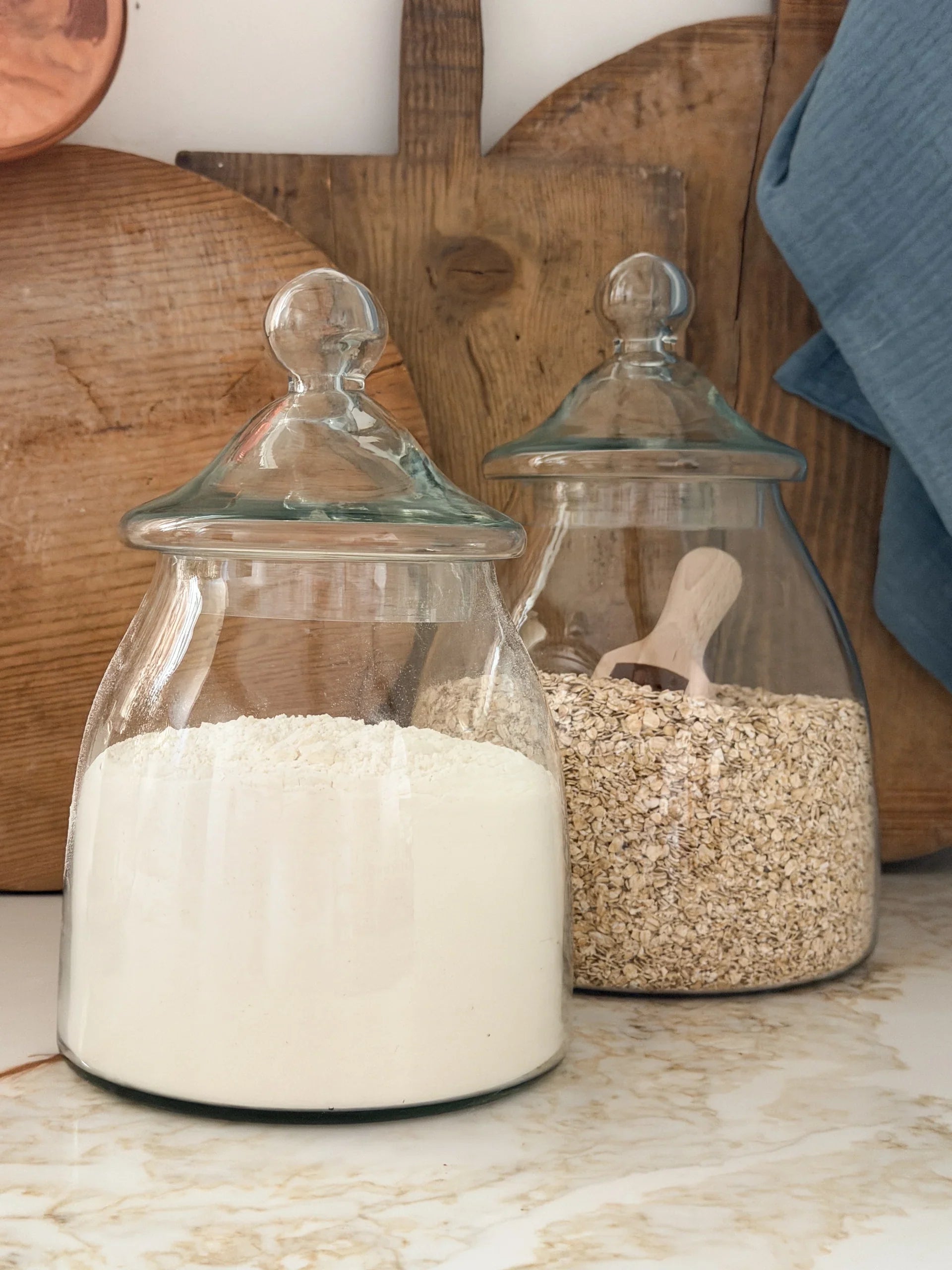
Bon Bon Jars: The Decorative Object That Works Harder Than It Looks
Bon bon jars — the lidded glass or ceramic vessels originally designed to hold sweets — have quietly become one of the most versatile decorative objects in modern home styling. Their appeal isn't complicated: they have beautiful form, tactile presence, and genuine function, and they work in kitchens, living rooms, bathrooms, and entryways with equal ease.
This guide covers what makes bon bon jars such an effective decorative object, where to use them, what to put inside them, and how to source ones that hold up to real scrutiny.

Why Bon Bon Jars Work So Well as Decor
The design logic of a bon bon jar is straightforward: a transparent or semi-transparent vessel with a lid. That simplicity is precisely what makes it so adaptable. A few specific qualities:
• Transparency lets the contents do the decorating. Fill it with something visually interesting — dried botanicals, sea glass, linen balls, copper pennies, coffee beans — and the jar becomes a display case for a small curated collection.
• The lid creates formality. An open bowl feels casual. A lidded jar reads as considered — a container with its own identity that elevates whatever is inside it.
• Scale flexibility. Bon bon jars range from palm-sized to substantial pieces that anchor a console table. Multiple sizes grouped together create a cohesive, layered arrangement.
• Material variety. Clear glass, colored glass, ceramic, and crystal all behave differently in a room. Clear glass is the most versatile; colored glass adds warmth and palette; ceramic gives matte texture; crystal catches and scatters light.
Room by Room: Where Bon Bon Jars Work Best
|
Room |
Placement |
Best Fill |
Notes |
|
Kitchen |
Counter, open shelf, island |
Coffee beans, dried pasta, sea salt, hard candy |
Functional + decorative simultaneously |
|
Living room |
Coffee table, console, bookshelf |
Dried botanicals, shells, decorative balls, stones |
Group with other objects in odd numbers |
|
Bathroom |
Counter, open shelf |
Bath salts, cotton rounds, small soaps, dried herbs |
Decants products and adds style at once |
|
Entryway |
Console table |
Keys (small bowl), decorative objects, seasonal fill |
A small jar as a catchall reads as deliberate |
|
Dining room |
Sideboard, table centerpiece |
Seasonal botanical, candles, decorative fill |
Clusters of 3 at varied heights make excellent centerpieces |
|
Bedroom |
Nightstand, dresser |
Jewelry, small botanicals, sentimental objects |
Clear glass shows small collections beautifully |
What to Fill Bon Bon Jars With
The fill material is as important as the jar itself. The most effective fills share a quality: they look intentional and visually interesting through glass, not random.
Natural and organic fills (almost always the best choice):
• Dried botanicals — lavender, cotton stems, dried citrus slices, eucalyptus
• Shells, smooth stones, sea glass, or pebbles in a consistent color family
• Pine cones, acorns, or seasonal botanicals for a changing seasonal display
• Coffee beans, dried whole spices (star anise, cinnamon sticks), or loose tea
Functional fills that also look beautiful:
• Bath salts or Epsom salts in a bathroom jar
• Hard candies or wrapped chocolates in a kitchen or living room jar
• Small soaps or soap balls in a bathroom display
• Cotton balls or cotton rounds decanted from their plastic packaging
Display fills for visual interest:
• Decorative wax balls or linen balls in a neutral tone
• Glass beads or marbles in a single color
• Small holiday or seasonal objects that change with the time of year
|
The Empty Jar as an Object A beautiful bon bon jar with nothing in it is a perfectly valid decorative choice — especially for jars with particularly beautiful glass quality, an unusual shape, or a distinctive lid. An empty jar reads as a sculptural object. A partially filled jar (fill only one-third to halfway) often reads more interestingly than a jar filled to the brim, because the unfilled space gives the fill material room to breathe. |
How to Group Bon Bon Jars
A single bon bon jar is an accent. A grouping of three is a moment. The principles that make groupings work:
• Vary the size. A tall jar, a medium jar, and a small jar grouped together creates height variation that makes the arrangement dynamic.
• Keep the material consistent. Three clear glass jars with different fills read as a collection. Three jars in three different materials (glass, ceramic, crystal) can read as unrelated.
• Vary the fill. Different contents in each jar — sea salt in one, dried botanicals in another, decorative balls in the third — gives each jar its own identity within the group.
• Add a complementary non-jar object. A small ceramic dish, a tray, or a sprig of fresh botanicals placed beside the grouping extends it beyond the jars and integrates it with the rest of the surface.
What Makes a Quality Bon Bon Jar
Not all bon bon jars are worth buying. The markers of quality:
• Glass thickness and clarity. Quality glass has weight and clarity. Thin or slightly greenish glass is a production economy that shows.
• Lid fit. The lid should seat firmly without force — not so loose it rattles, not so tight it requires effort. A poorly fitting lid undermines the whole object.
• Base stability. The jar should sit flat and steady without rocking. An unstable base is a sourcing shortcut.
• Finish quality on ceramic or metal elements. If the lid has a ceramic knob or metal finial, the finish should be consistent with no drips, chips, or visible seams.
Find bon bon jars, decorative vessels, and home accessories at S.W. Home — decorative objects and home accessories selected for quality, character, and lasting visual appeal.
|
Shop Decorative Objects at S.W. Home Bon bon jars, decorative vessels, and home accessories hand-picked for beauty and function. Browse the S.W. Home collection. |
