

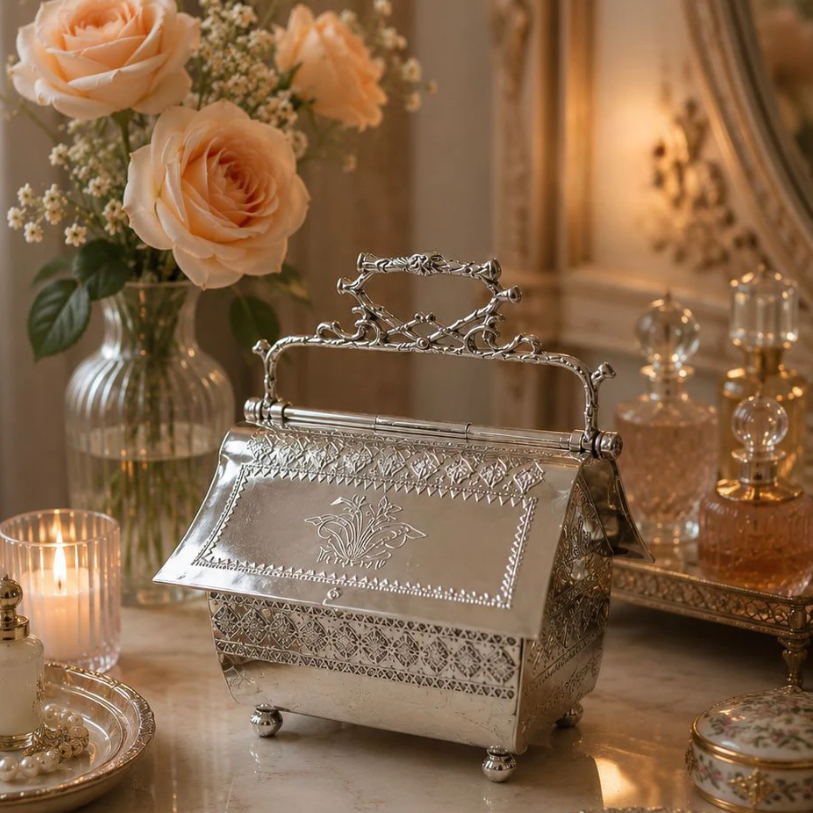
Antique Brass Boxes: How to Style and Shop Them for Any Room
Few decorative objects have the longevity of brass. It's been used in homes for centuries — not because it was trendy, but because its warm golden tone, its weight, and the way it ages are genuinely beautiful in ways that manufactured approximations never quite replicate. Antique brass boxes are one of the best expressions of that quality: functional, tactile, visually distinctive, and available at almost every price point if you know where to look.
This guide covers what makes antique brass boxes worth buying, how to tell quality from imitation, where to use them in a room, and how to style them so they contribute rather than clutter.

What Makes Antique Brass Boxes Different From Decorative Replicas
The home decor market is full of items described as 'antique brass' that are, in practice, zinc alloy (zamak) castings with a brass-colored surface treatment. These aren't bad objects — they're just fundamentally different from genuine antique or vintage brass pieces, and understanding the difference helps you make the right purchase for what you're trying to achieve.
|
Characteristic |
Genuine Antique Brass |
Reproduction / Plated |
|
Material |
Solid brass (copper + zinc alloy) |
Zinc alloy or steel with brass plating or coating |
|
Weight |
Noticeably heavy for its size |
Light relative to size — feels hollow |
|
Aging |
Develops rich patina; improves over time |
Plating wears through; base metal shows |
|
Surface |
Warm variation in tone; not perfectly uniform |
Uniform golden color; often too perfect |
|
Magnetic test |
Non-magnetic |
Often magnetic (indicates steel base) |
|
Price range |
Higher; varies widely by age and maker |
Lower; consistent and predictable |
|
Best for |
Statement objects, heirlooms, long-term pieces |
Budget fills, styling inserts, temporary use |
Neither is wrong for every context. But knowing which you're buying — and what you're paying for — is the difference between a confident purchase and a disappointing one.
How to Identify Quality When You're Shopping
• Weight test: pick it up. Genuine brass is significantly denser than zamak or steel. If a piece looks substantial but feels light, it's plated.
• Magnet test: brass is not magnetic. Touch a small magnet to an inconspicuous spot. If it sticks, the base is steel with a brass coating.
• Patina examination: genuine antique brass develops uneven, warm patina — darker in recessed areas, warmer on high points. Uniform color across all surfaces suggests a applied coating rather than genuine age.
• Seam quality: look at how the box is constructed. Well-made brass boxes have clean seams, tight-fitting lids, and no visible casting marks. Poor-quality reproductions show rough seams, ill-fitting lids, and inconsistent surface texture.
• Hinge and closure: the hinge is where quality shows first. A well-made hinge opens smoothly and holds position. A cheap hinge is loose, uneven, or squeaks immediately.
Where Antique Brass Boxes Work Best
• Console table or entryway: a brass box as a contained catchall for keys, coins, and small daily essentials in an entryway reads as decorative rather than practical — even though it's both.
• Coffee table grouping: a brass box at medium height alongside a ceramic object and a stack of books creates the kind of material variety that makes a coffee table styling feel genuinely curated.
• Bookshelf accent: positioned on its own on a shelf or nestled between books, a brass box adds warmth and visual weight that ceramic and glass objects don't provide.
• Nightstand surface: a small brass box holds jewelry, earrings, and small personal objects on a nightstand surface. It's more interesting than a generic jewelry dish and works in virtually any bedroom palette.
• Bathroom counter: a narrow brass box to hold cotton swabs or small soaps decants a bathroom essential and adds a material note that elevates the entire counter.
Styling Antique Brass Boxes With Other Objects
Brass has warm golden undertones that place it in the same color family as natural wood, warm stone, and terracotta. This makes it easy to combine with:
• Natural wood: brass on wood is a classic combination — the metal's warmth against the grain of natural wood creates a sophisticated material pairing that works in every style context.
• Marble and travertine: brass against the cool veining of marble or the warm texture of travertine creates a contrast of temperature (cool vs. warm) that reads as considered and high-quality.
• Linen and natural fiber: a brass box on a linen runner, or positioned beside a woven object, sits in the same natural material family while contributing a harder, shinier element.
• Dark lacquer or painted surfaces: brass reads most dramatically against dark backgrounds — a dark-stained wood shelf, a lacquered tray, or a painted surface in a deep tone.
|
Caring for Antique Brass Genuine antique brass develops a patina that many collectors and decorators actively prefer — it's a sign of age and quality. If you want to maintain the patina: simply dust regularly and avoid harsh cleaners. If you want to restore brightness: a solution of lemon juice and salt applied with a soft cloth, rubbed gently, then rinsed with warm water and dried immediately, removes oxidation and restores the warm gold tone. Commercial brass polish also works. Apply either sparingly and buff dry to avoid water spots. Never use abrasive scrubbers, bleach, or ammonia-based cleaners on brass — they damage the surface permanently. |
Find antique brass boxes, decorative objects, and home accessories at S.W. Home — pieces selected for material quality and the kind of character that only comes with genuine craft.
|
Shop Decorative Objects at S.W. Home Antique brass boxes, decorative accessories, and home decor selected for quality and lasting visual appeal. Browse the full S.W. Home collection. |
